Personal Finance














I Lost My Job And Nearly Lost My Fiancee Too
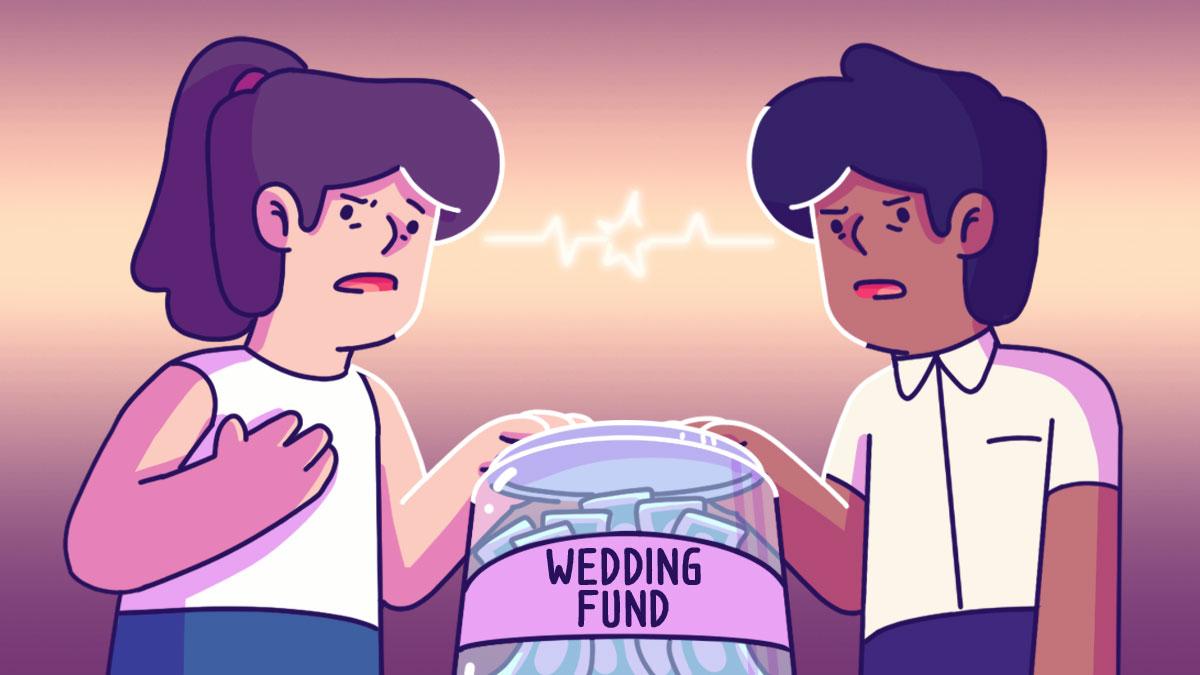
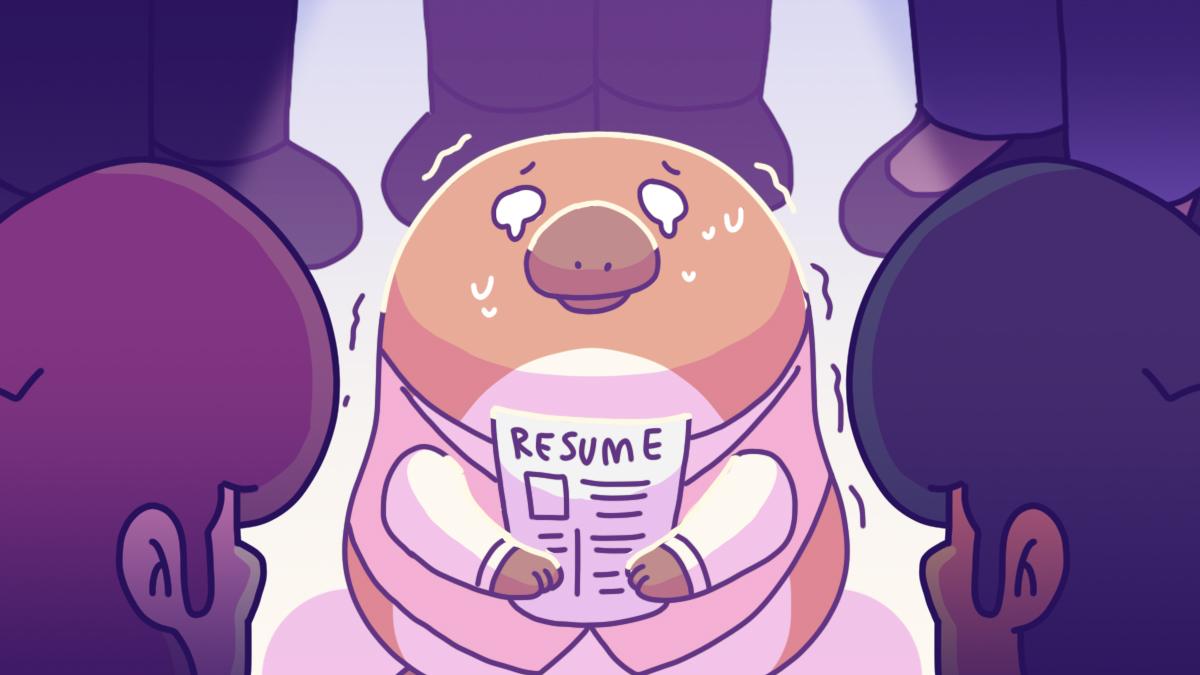
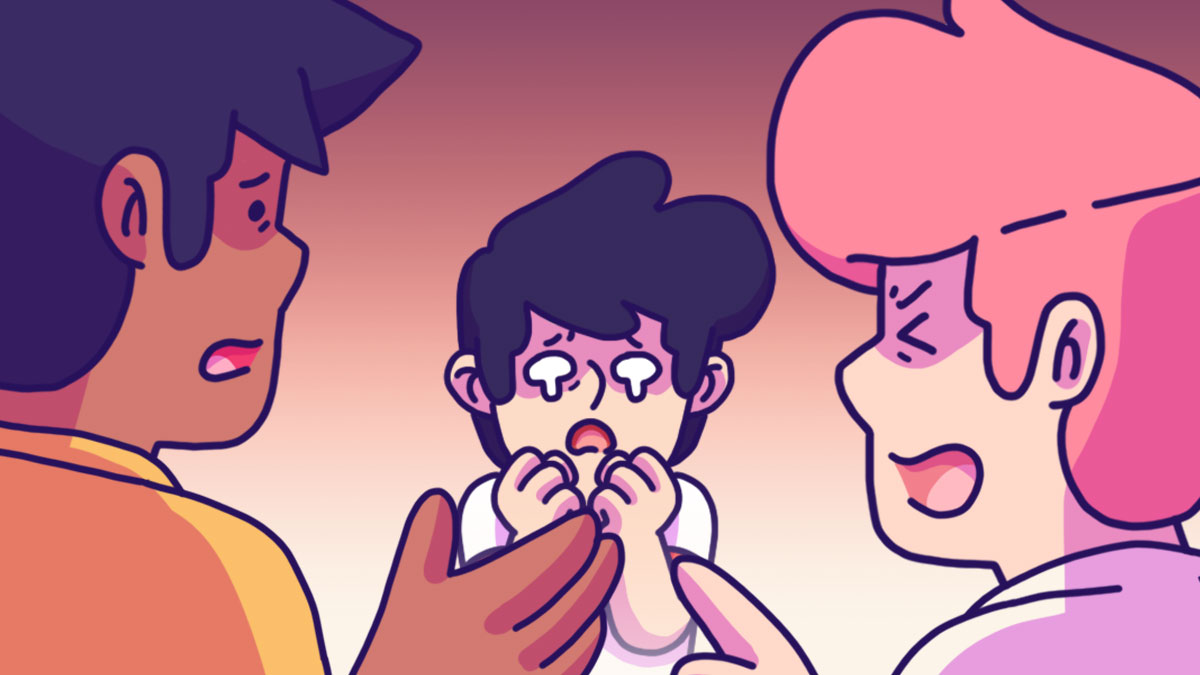
I was never the top performer at work, but I thought I was good at what I did. That's why I was completely caught off guard when my manager told me I was being retrenched. He explained that it was part of a cost-cutting exercise to streamline operations.I was given a month's notice, but after deducting my remaining annual leave, I only had a little over two weeks left at work. From the moment I was told, everything moved so quickly that I barely had time to process what had happened. I was busy handing over ongoing projects, informing clients and colleagues that I was leaving, clearing my workload, and, ironically, training the person who would eventually take over my role.Even on my first day of being unemployed, I threw myself into job hunting. I updated my résumé, wrote cover letters, and sent out more than a dozen applications.I didn't have the luxury of taking a break because I was engaged, and my fiancée and I were in the middle of planning our wedding. Although we hadn't booked a venue yet, we'd already shortlisted a few hotels and were excited about what was ahead.I just needed to find a job so we could continue with our plans.But one month became two. Then three. Then four. I kept applying, only to be met with rejection after rejection. Most companies didn’t even respond. Every rejection chipped away at my confidence.Slowly, my frustration turned into anger.My fiancée was incredibly supportive. Whenever we went out, she'd quietly pay the bill before I could even reach for my wallet. She kept reminding me that we'd get through it together. I appreciated everything she was doing, but deep down, I felt humiliated. I hated feeling like I was becoming a financial burden.By the sixth month, I wasn't just unemployed – I was exhausted! I stopped checking job portals every morning. Some days, I couldn't even bring myself to open my laptop.My fiancée continued encouraging me. She’d suggest ways to improve my résumé or tell me about jobs she'd come across. I knew she meant well, but I became defensive and irritable. Every suggestion felt like another reminder that I still hadn't found a job. We started arguing over small things that normally wouldn't have mattered.Then one day, I crossed a line.I had completely drained my savings and had no idea how I was going to pay my bills. Out of desperation, I suggested using part of our wedding fund to help me get by. She immediately said no. Not because she didn't care, but because she was worried we wouldn’t have enough left for the wedding. She wasn't wrong. But at that point, I wasn't thinking about the wedding anymore. I was thinking about surviving the next month.I snapped. We started arguing, and before either of us knew it, we were saying a lot of hurtful things to each other. After that, we didn't speak for an entire week.When I finally called her, she told me it had never been about money. She said I had changed ever since I lost my job. That I was always angry and distant. And now that I stopped applying for a job, she was afraid I had given up.That got to me. For the first time, I realised I wasn’t okay.Somehow, I'd allowed unemployment to consume me so completely that I no longer recognised the person I was becoming.Things didn't magically get better after that. But the next morning, I opened my laptop and started applying for jobs again. Some days, I managed to send out several applications. Other days, I barely had the motivation to send one. But I kept going. I also apologised to my fiancée for everything.Looking back, losing my job wasn't the hardest part. The hardest part was letting it convince me that my worth depended on my paycheck, and nearly allowing that belief to cost me the person who stood by me through it all.This article is part of TSS Confessions, a weekly column where we delve into personal finance topics that are unscripted and genuine real accounts from people.